


If your lawn is looking a bit thin, tired, or patchy after a long summer, you might be tempted to rip it all out and start fresh—or simply double down on fertilizer. But there’s a much simpler, more effective way to restore a lush, carpet-like lawn: overseeding.
Overseeding is the practice of planting grass seed directly into existing turf without tearing up the soil or starting from scratch. It is one of the most powerful maintenance steps you can take to fill in bare spots, improve turf density, and introduce modern, resilient grass varieties to your property.

Why Should You Overseed Your Lawn?
Over time, individual grass plants age, slow down their reproduction rates, and succumb to environmental stress. As older grass dies off, weed seeds take advantage of the open space. Overseeding breaks this cycle and delivers several key benefits:
- Thickens Turf Density: A dense, thick lawn naturally chokes out opportunistic weeds like crabgrass, dandelions, and plantain by crowding them out above and below ground.
- Introduces Improved Grass Varieties: Modern turfgrass cultivars are specifically bred to require less water, resist common fungal diseases (like brown patch and dollar spot), and tolerate heat or shade better than older grass strains.
- Fills in Bare & Weak Spots: High-traffic pathways, dog spots, and shaded corners naturally thin out over time. Overseeding repairs these vulnerable areas before weeds move in.
- Enhances Pest & Disease Resistance: Blending multiple grass types (like Kentucky Bluegrass, Perennial Ryegrass, and Turf-Type Tall Fescue) creates a diverse biological ecosystem that resists widespread insect and disease damage.
Timing Is Everything: When to Overseed
For cool-season grasses (common across Long Island and the Northeast), timing determines the success of your seeding project:
- Early Autumn (Best): Soil temperatures are warm (ideal for rapid germination), daytime air temperatures are mild, and weed competition is naturally low. Seeds established in autumn have two cool seasons to build deep root systems before summer heat arrives.
- Early Spring (Secondary): While spring seeding is possible, young seedlings face stiff competition from germinating weed seeds and must establish quickly to survive summer heat waves.
The Secret to Success: Seed-to-Soil Contact
The number one reason overseeding projects fail isn’t bad seed—it’s poor seed-to-soil contact. A grass seed that settles on top of dead grass thatch or hard-packed dirt will dry out and die before its roots can penetrate the ground.
To maximize germination, follow this proven 4-step preparation process:
1. Mow Low & Bag Clippings
Mow your existing lawn slightly shorter than usual (around 1.5 to 2 inches) and bag the clippings. This allows sunlight to reach the soil surface and gives emerging seedlings room to catch light.
2. Core Aerate the Soil
Mechanically core aerating the lawn pulls small plugs of soil out of the ground. These open core holes act as perfect “seed catches”—creating small micro-climates where seeds drop, stay moist, and establish deep roots effortlessly.
3. Top-Dress with Fine Organic Compost
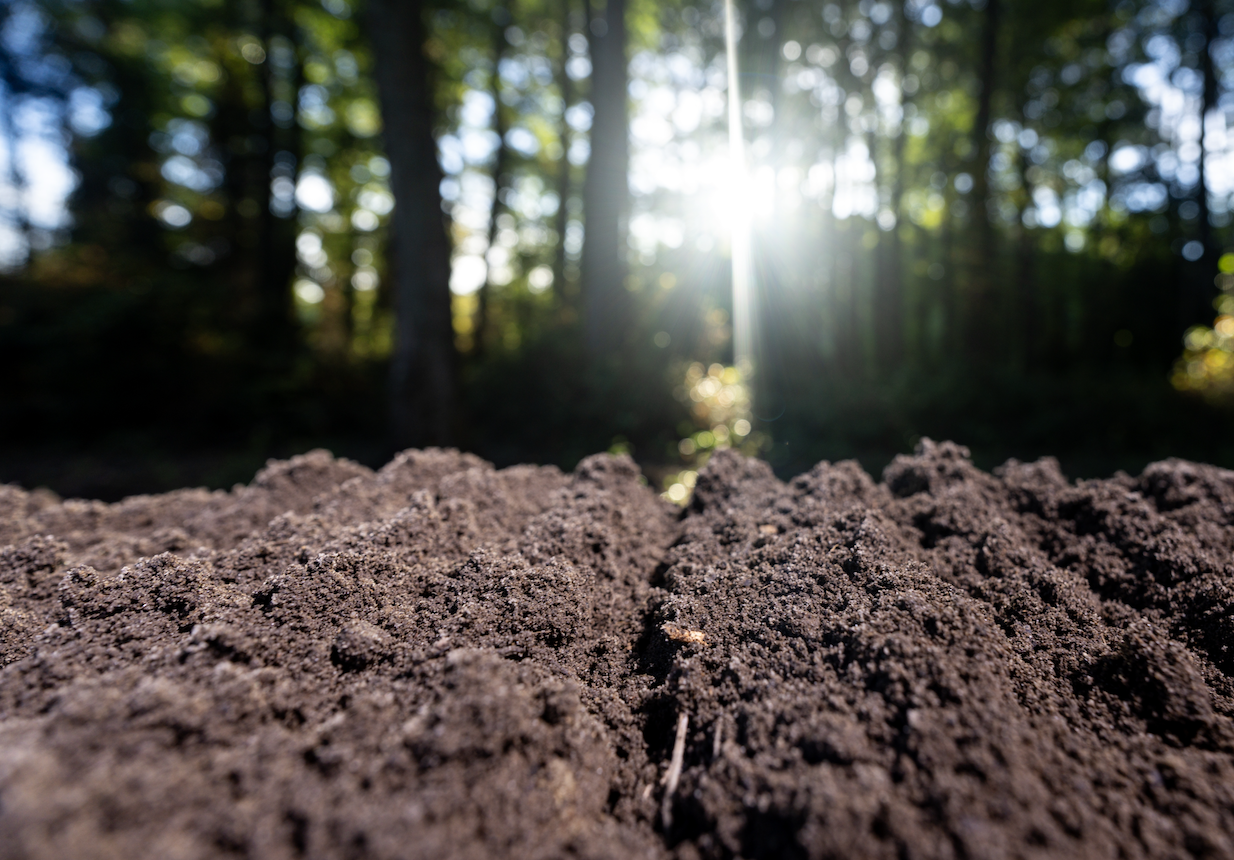
Spreading a thin layer (1/8″) of biologically active, screened compost over the newly scattered seed protects it from birds, holds essential moisture against the seed coat, and feeds the emerging roots with stable organic nutrients.
4. Keep It Consistently Moist
Germination requires steady moisture. Water lightly 1 to 2 times daily for short durations to keep the top layer of soil damp until seedlings reach 1 to 2 inches in height, then transition to deeper, less frequent watering.
Revitalize Your Turf from the Ground Up
Overseeding isn’t just about scattering grass seed—it’s an investment in your soil’s long-term health and your lawn’s natural defenses. Paired with aeration and rich organic top-dressing, overseeding builds a dense, vibrant lawn capable of thriving season after season.


Leave a Reply