

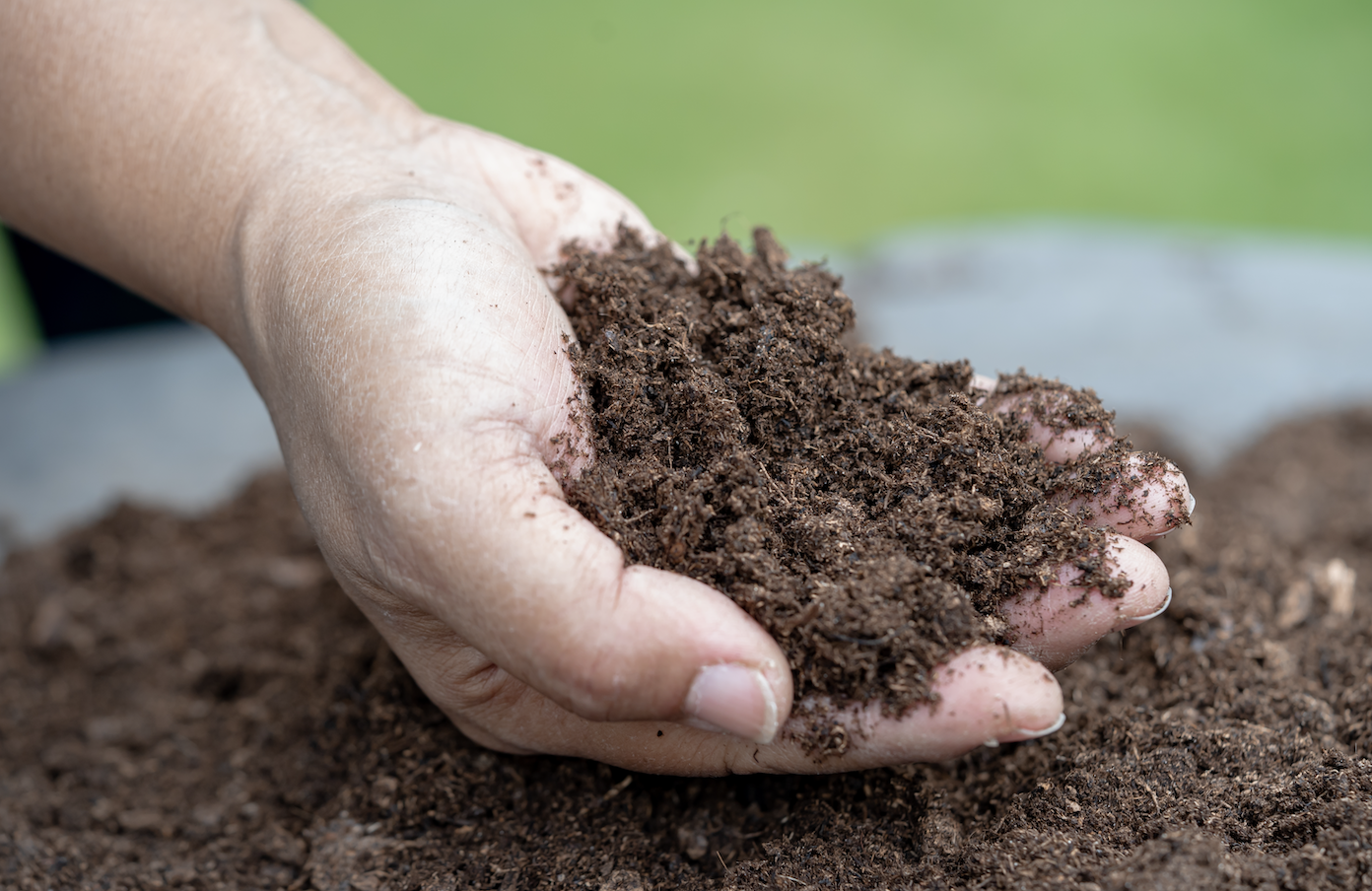
When it comes to building a vibrant, drought-resistant lawn, most people focus on what happens above the ground—mowing heights, watering schedules, and surface appearance. But the true engine driving lawn performance operates beneath the surface in the form of organic matter.
Although organic matter typically makes up only 3% to 6% of a healthy soil profile by volume, its impact on turf health, root development, and long-term soil structure is massive.

What Is Soil Organic Matter?
Soil organic matter (SOM) is a complex mixture of living, dead, and decomposing materials. It consists of three main components:
- The Living: Beneficial bacteria, fungi, earthworms, plant roots, and micro-arthropods.
- The Dead: Recently deposited plant tissue, grass clippings, leaf litter, and root exudates undergoing active breakdown.
- The Very Dead (Humus): Fully decomposed, stable carbon compounds that bind to soil minerals and remain in the soil for decades or centuries.
4 Ways Organic Matter Drives Soil Health
1. Turns Soil into a Biological Sponge
For coarse, sandy soils, water retention is a constant struggle. Organic matter acts as a microscopic sponge: every 1% increase in soil organic matter increases the soil’s water-holding capacity by up to 20,000 gallons per acre. This means less watering during dry summer stretches and better protection against drought stress.
2. Fuel for Beneficial Microorganisms
Soil biology requires carbon to survive and function. Organic matter serves as the primary food source for billions of soil microbes. As these organisms consume and process organic matter, they naturally release plant-available nutrients and create a natural buffer against turf diseases like dollar spot and root rot.
3. Unlocks & Retains Essential Nutrients
Organic matter has a remarkably high Cation Exchange Capacity (CEC)—the soil’s ability to hold onto key nutrients like calcium, magnesium, potassium, and nitrogen. Without adequate organic carbon, applied nutrients easily leach past the root zone and wash away. High organic matter keeps plant food locked in the soil where roots can reach it.
4. Improves Soil Structure & Aeration
In tight, heavy soils, organic humus binds microscopic clay particles into loose, porous crumbs called aggregates. This improves drainage after heavy rains, reduces surface compaction, and creates vital air channels so roots can breathe and dive deeper.
How to Boost Organic Matter in Your Soil
Building soil carbon takes time, but small, consistent cultural habits yield significant returns:
- Mulch Grass Clippings: Leaving fine clippings on the lawn during regular mowing returns valuable nitrogen and organic carbon back into the soil line automatically.
- Top-Dress with Screened Compost: Spreading a thin layer (1/8″ to 1/4″) of biologically active compost after core aeration directly deposits rich, stable organic carbon straight into the root zone.
- Incorporate Biochar & Humates: Applying concentrated humic acids and biochar helps anchor soil carbon and accelerate nutrient-binding capacity.
Build Your Lawn from the Ground Up
Synthetic inputs may provide a quick, temporary color boost, but organic matter builds long-term resilience. By feeding the soil engine, you create a self-sustaining ecosystem capable of supporting thick, healthy turf season after season.


Leave a Reply